“I’m interested in sailing and canoeing, but I can’t really do it. It looks expensive and time-consuming.” Oh, if I had a nickel every time I heard these words, or something similar. But I wasn’t one of those people – I actually began to sail and canoe as often as possible, and with my experience, I’m confident that this little How-to guide will help out any potential new boater or canoer out there.
So let’s dig in!
Why Sailing and Canoeing, though?
Good question. These two sports are great for any lover of the outdoors. For example, I can relax or go fishing on my boat, with the wind and the mosquitoes as my only friends. This activity is by far one of the most relaxing ones out there. Canoeing, on the other hand, allows me to have all the exercise I need without having to go to the gym. It’s great for muscle development and stamina build-up, and once again – it allows me to enjoy nature in the most direct way possible.
With that out of the way, let’s begin with sailing.
Sailing – First Steps
1. Shopping
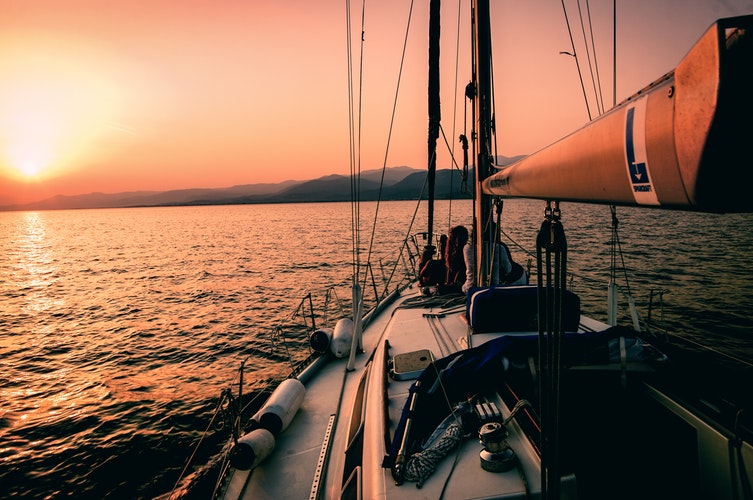
Before I get offshore, I need a boat, obviously. Most new (or used) boats run at about $4000, and I would recommend digging for the right one for a while before buying it. But it’s not just the boat – I’ll also need good equipment. The basics include good glasses, strong gloves, a windbreaker jacket, a ship’s logbook, food and drinkable water, first aid kit and some insect repellent. All of these can be found at the local www.amazon.com or any other retailer. Quality over price should be the motto, but I never go crazy with spending.
2. Knowing the Lingo
We ought to talk about boating language. I’ll never say “go left” while on the boat, for example. I’d say “go to the port side.” There are plenty of expressions out there, but some of the major ones are as follows:
- A halyard – a line (rope or chain) that manipulates the mainsail
- The mainsail – its name says it all; it is the main piece of cloth that I use to move the boat with the wind
- The jib – a smaller side sail that helps out the main one
- The sheet – a smaller line that helps control the corners of the sail
- The boom – a lower poll that helps maneuver the sail
- The rudder – a mechanism used to navigate the boat
- The tiller – a stick or pole connected to the rudder which I control with my hands
- Stern – back of the boat
- Bow – front of the boat
- Port – left
- Starboard – right
- Hull – the main body of the boat
…and so on. Lists of these expressions can be found online.
3. Controlling the Boat
In order to control the boat, I have to know a few things. One of them is properly tying knots of different lines. A great way to secure a line to a metal cleat is to use something called a cleat hitch. But how do I learn it?
Well, like anything else regarding boating – I will look it up online or talk to an expert. After all, the best way to tie a knot or move the boat in a strong wind is to see someone else do it. Luckily, YouTube and other services offer plenty of good tutorials for these and many other topics. Some of those I always look up are “how to flip back a capsized boat,” “what units of measurement are used offshore,” “basic sailing techniques,” “advanced maneuvering” and, of course, “how to maintain my boat.”
Canoeing – First Steps
1. Shopping…Again
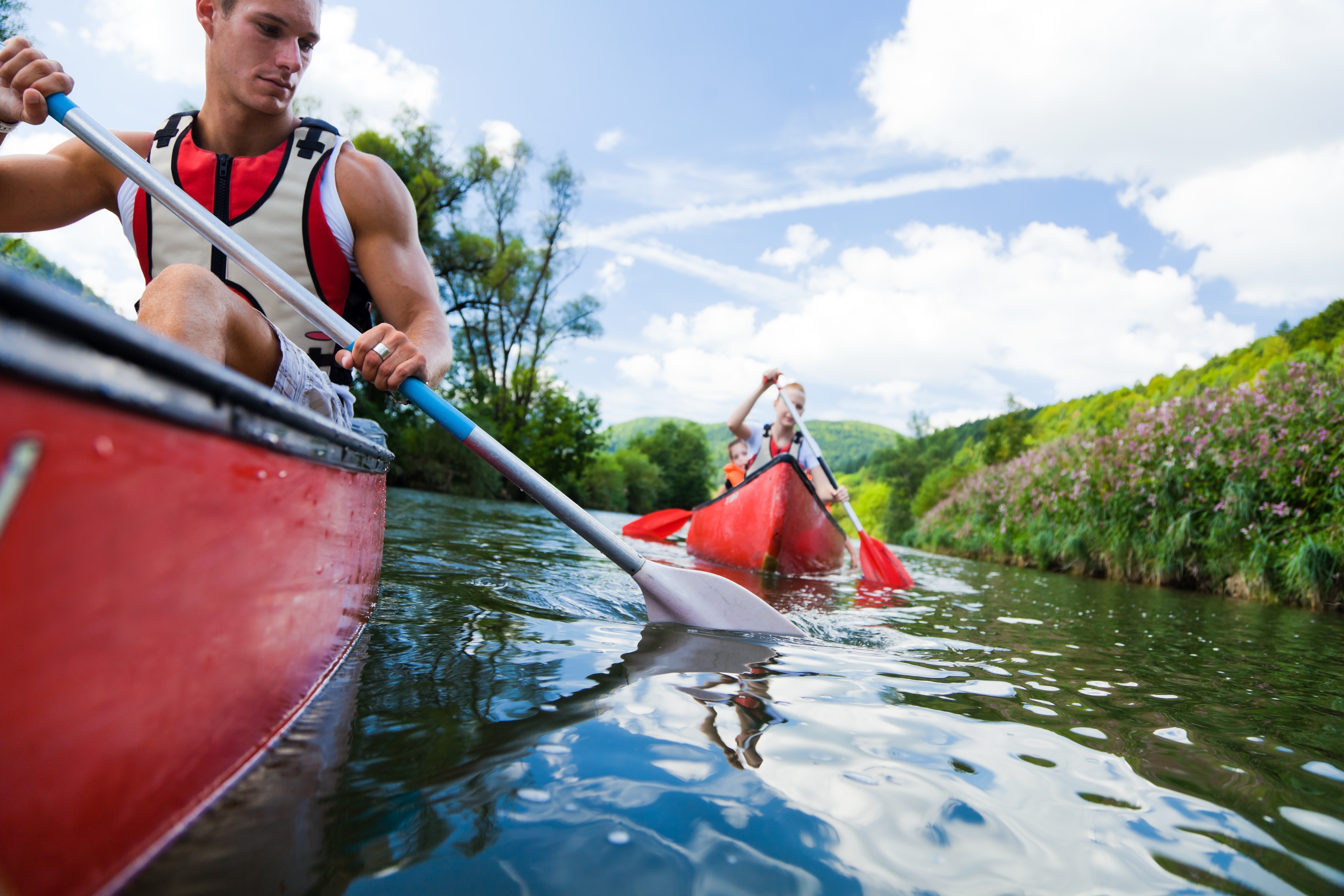
Canoes and kayaks are generally cheaper than sailing boats, with high-quality sea kayaks going up to $3000, if not more. However, I also need pedals and life jackets, as this activity is far more…erm, active than sailing. Decent canoes also come with extra space for food or water, fishing equipment or anything else that I want to fit in it.
Naturally, there are cheaper canoes, made of either plastic or inflatable nylon. However, those don’t last long and are more prone to damage.
2. Practice and Learning
Unlike boating, canoeing actually requires more physical effort. The best thing I can do here is to get a good teacher, but if for some reason I can’t find one, self-teaching and YouTube again come to the forefront. When I first started canoeing, I practiced in shallower water, closer to the shore and during fair weather. The more experience I got, the more I “invaded” rowdier waters and went canoeing during slightly worse weather.
Conclusion
Anyone can start boating and canoeing as early as today. All it takes is a bit of practice, some research and a step-by-step approach to learning. As someone who has mastered both of these skills, I can confirm first-hand that they paid off tenfold. After all, nothing can replace the feeling of wind brushing against me as I ride the waves.