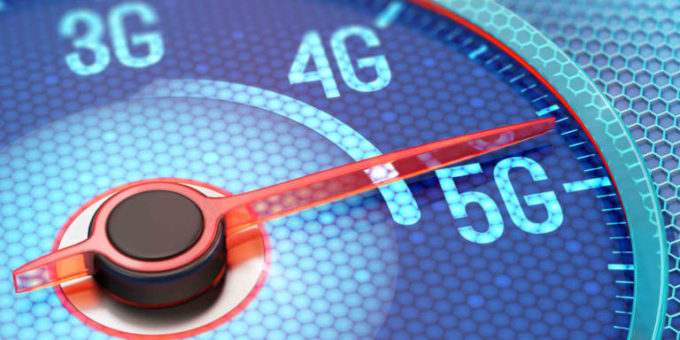
Ever since its first release, smartphones have been experiencing rapid transformations. They went from pocket-sized, 2G mobile devices that allowed us to send messages to people, to 4G ones that can unlock just by facial recognition. One of the strongest contributors to this transformation is the mobile network.
For instance, when 3G networks were introduced, we were able to access the internet without cables or wires. Emails became one touch away and video calls could be made to anywhere in the world.
Soon, 4G was introduced and more advanced options were made available on the smartphone. It took us only a few minutes to complete a task that used to take hours on the internet.
Just when we thought we had it all, the telecommunication industry is now buzzing about 5G. The innovations 5G can initiate are unimaginable.
What is 5G?
5G is the latest generation of cellular mobile communication. Although it hasn’t officially been released yet, it has been in the making for almost a decade now. After its release, 5G will either augment 4G performance or replace it altogether.
It is expected to reduce latency (which is the period between the transmission and reception of data) and increase downloading speed. Overall, 5G will provide consumers with a more reliable and stable data connection. So for example, if it takes five to six minutes to download a movie on 4G, 5G should take only a couple of seconds.
5G will make way for countless opportunities in the world. To name a few, we can expect self-driving cars, drones, traffic-monitoring, wireless and drone-facilitated rescue missions. However, the best part is that we can’t even fully grasp how much 5G can change the world.
5G And The Smartphone Industry
5G And Smartphone Users
As general consumers, we expect our smartphones to work at optimum speed. Nobody likes slow internet. With 5G, we might put an end to this problem.
Some reports claim that 5G will operate at a speed of 20 Gbps — a speed like never before. With it, sending and receiving information via the internet should take less than a millisecond.
Nowadays we use our smartphones for most of our tasks. Having a 5G network would mean that almost all of our work can be accomplished within minutes. Soon, “I had slow-internet” will become an invalid excuse.
Although consumers in rural areas may not get to experience 5G for years after its scheduled release, they will benefit from it as well. The advent of 5G will force manufacturers to stop making 3G devices. As a result, 4G devices will become a cheaper alternative. By purchasing these devices, even consumers in rural areas will have access to better internet.
With better technological advancement, they too will be able to participate in the benefits of globalization. Hence, the impact 5G will have on the world could be far greater than just faster internet.
5G And Smartphone Manufacturers
Smartphone manufacturers haven’t experienced much market growth in the past few years. 5G could be the game-changer for them. As consumers, we can expect newer and cooler models with extraordinary applications that could transform our lives.
With a better network, smartphone manufacturers can introduce better and more advanced applications. In fact, in the near future, smartphones will have applications that will allow us to play full-sized console video games (such as Fortnite). We may find it hard to imagine right now, but this future is coming.
We can also expect smartphone manufacturers to capitalize on the market like never before. Here’s why — the smartphone has already abolished the need for a landline and is close to doing the same with a TV. With 5G, we can expect such fast network that even Wi-Fi modems and cables for the TV might become obsolete. A few decades from now, we might be paying the smartphone industry for these services. To make this a reality, the manufacturers have started preparing for it already.
Samsung is reported to be launching the first 5G-compatible smartphone soon. Apple, on the other hand, won’t make any changes until 2020. After all, they are known to wait until the network matures before investing in any major changes to their devices.